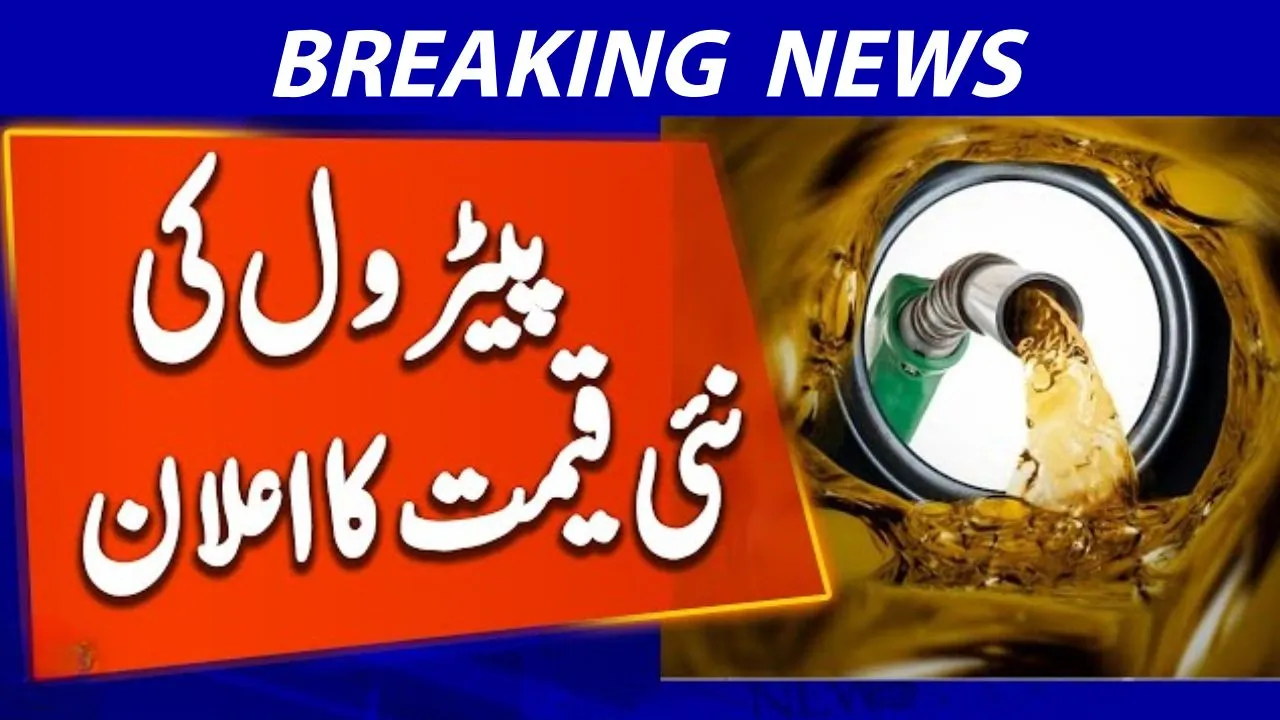
The federal government has decided to keep petrol and diesel prices unchanged for the second half of January 2026, disappointing millions of consumers who were expecting further relief at the pump.
Every fortnight, Pakistanis anxiously wait for the fuel price review in the hope of a cut that could ease rising living costs. This time, expectations were high after recent price drops, but the Sharif-led government chose to maintain existing rates, citing uncertainty in the global oil market and currency pressures.
This report explains today’s petrol price, why no cut was announced, global oil market impact, and what consumers can expect next.
Govt Decision: No Relief for Second Half of January 2026
According to official sources, the government has decided against reducing petrol and diesel prices for the remainder of January 2026. The final decision was taken late Monday night after reviewing recommendations from the Oil and Gas Regulatory Authority (OGRA).
Despite earlier reports suggesting a possible cut of Rs4 to Rs5 per liter, authorities opted to keep rates unchanged.
- Current petrol price: Rs253 per liter
- Diesel price: Unchanged
This means commuters and transporters will continue to bear high fuel costs.
 WhatsApp Channel
Why a Price Cut Was Expected
Over the past two months, petrol prices in Pakistan have already fallen by around Rs12 per liter, raising hopes of further relief.
Market sources had indicated that another reduction of Rs4 to Rs5 per liter could bring the petrol price down to nearly Rs248 per liter. If that had happened, it would have been the first time since November 2024 that petrol was priced below Rs250 per liter.
However, changing global and domestic factors altered the outlook.
Global Oil Prices and Dollar Rate Impact
In the previous fortnightly review, the government had slashed petrol prices by Rs10 per liter when global crude oil was trading near $60 per barrel.
Since then:
- Global crude oil price has increased to about $63 per barrel
- US dollar has strengthened from Rs278 to around Rs280
Because petrol prices in Pakistan are directly linked to international oil prices and the rupee dollar exchange rate, analysts believe these changes reduced the likelihood of any further cut.

What Analysts Are Saying
Energy market analysts say that under the current conditions, a Rs4 to Rs5 per liter reduction was unlikely.
With rising crude prices and a weakening rupee, the more realistic outcomes were either a modest increase or no change at all. That is exactly what the government has now implemented.
The Ministry of Finance made the final call before midnight after reviewing OGRA’s recommendations.
Petrol Price Trend in Recent Years
Petrol prices in Pakistan have seen extreme fluctuations in recent years.
- Highest ever price: Rs331 per liter in September 2023
- Price in September 2024: Rs247 per liter
- Highest price in 2025: Rs272 per liter in July
- Lowest price in 2025: Rs252 per liter in May
- Current price in January 2026: Rs253 per liter
These figures show that while prices have come down from record highs, they are still well above historical averages.

Petroleum Levy and Other Charges Keeping Prices High
Another major reason why petrol remains expensive in Pakistan is the heavy tax burden.
Currently, the petrol price includes:
- Petroleum levy: Rs78.02 per liter
- Climate support levy: Rs2.50 per liter
- Customs duty: Rs14.37 per liter
These charges are collected on every liter of petrol sold, keeping final consumer prices high even when global crude prices fall.
IMF Agreement and Future Fuel Prices
Adding further pressure, the government has agreed with the International Monetary Fund (IMF) to gradually increase the petroleum levy to Rs100 per liter in the next fiscal year.
Although the full levy has not yet been applied, experts warn that fuel prices could remain elevated or even rise further if taxes continue to increase.

What to Expect in the Next Review
Analysts say the outlook for the next fortnightly review will depend on three key factors:
- Global crude oil prices
- Rupee dollar exchange rate
- Government tax and levy policy
If crude prices fall below $60 per barrel and the rupee stabilizes, a modest price cut may still be possible. Otherwise, consumers should be prepared for continued high prices.
Final Words
The decision to keep petrol prices unchanged for the second half of January 2026 has come as a setback for consumers hoping for further relief.
While global oil prices and currency pressures played a major role in this outcome, heavy domestic taxes and levies continue to keep fuel prices high in Pakistan.
For now, motorists and commuters will have to manage with petrol at Rs253 per liter as they await the next fuel price review.